Warning: count(): Parameter must be an array or an object that implements Countable in /www/wwwroot/thebiomedcenter.cyberwrath-portfolio.com/wp-content/plugins/formcraft3/formcraft-main.php on line 1033
Irritable bowel syndrome or IBS is a common disorder that affects individuals in the large intestine. Cramping, gas, bloating, abdominal pain, constipation, and diarrhea can occur in those who suffer from this condition. Chronic forms of IBS may require constant care and attention to be able to go about daily life, managing the condition for the long term.
Signs and symptoms of IBS are quite uncomfortable but thankfully the condition does not increase the risk of colorectal cancer or change the bowel tissue. When you experience issues with the stomach that resemble IBS, it is important to be diagnosed so that you can learn how to live with the condition and treat your symptoms.
Common Symptoms
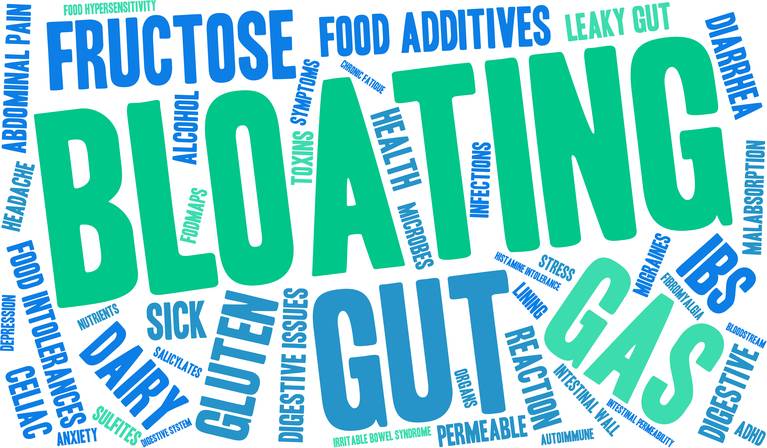
The signs and symptoms of this disorder will vary based on the person. Often, the symptoms are mistaken for something else. Common issues include:
Abdominal pain
Abdominal cramping
- Bloating
- Gas
Constipation
- Diarrhea
- Mucus in the stool
Causes and Triggers
The exact cause of irritable bowel syndrome is not known but there are several factors that play a role in causing a flare-up or constant issues. The intestine walls are lined with layers of muscle. These muscles will contract and relax as food moves from the stomach to the rectum. If you have IBS, the contractions can be stronger and longer which can cause issues like diarrhea, gas and bloating. You may also have weak contractions which will result in constipation.
There are certain triggers that can lead to an IBS attack but not all individuals with IBS will be affected in the same way. It is important to take note of foods you ingest after a flare-up so that you can avoid such issues in the future. Many are affected by cabbage, broccoli, cauliflower, alcohol or even carbonated drinks. Stress can also lead to the aggravation of symptoms along with hormones and other illnesses.
Treatments
There is no sure-fire way to cure irritable bowel syndrome as the cause is unclear. Treatment is solely based on relieving symptoms. To feel better, it is recommended that you eliminate high-gas foods like cabbage and broccoli, eliminate gluten and FODMAPs. Fiber supplements can be used for individuals who suffer from diarrhea while anti-diarrheal medication can be used by those who have the opposite symptoms.
Colon Hydrotherapy is another option that individuals with IBS can try to eliminate symptoms. With this treatment type, a liquid solution of water, coffee or other liquid like an herbal solution is inserted into the colon and flushes your system. The detox method works to clean the intestine and promotes the healing abilities of the body.
Living with IBS can be hard, especially when considering the symptoms. You may have to plan outings around bathroom breaks or be careful as to what you eat in order to not have signs of stomach pain or the need to spend ample time in the bathroom. Anyone who suffers from IBS wants to find a solution in order to feel better and avoid having to stop enjoying an activity due to pain or the need to visit the restroom. Going out of town can be difficult as well as attending events.
If you find that you are showing signs of irritable bowel syndrome, visit your physician for a diagnosis. Once it is confirmed that you have IBS, you can narrow down your treatment options. Detoxing can be beneficial in the beginning to rid the colon of toxins in order to flush the system and start anew. Contact your physician today for testing to see if you have IBS and take the next steps in order to find the right treatment option for you.